Dahabiya Nile Voyages

Home / Best Season

Best Season for a Nile Cruise

A month-by-month breakdown of temperatures, river traffic and prices between Luxor and Aswan — so you pick the right window, not just the popular one.

Planning the timing

Why the season changes the whole trip

The Nile Valley between Luxor and Aswan sits in one of the driest, most consistently sunny stretches of desert on earth. Rain is irrelevant — what you're managing is heat, tourist density and price. Get the timing right and you have the temples nearly to yourself with a cool breeze off the water; get it wrong and you're standing in 43 °C in a queue at Karnak. Neither outcome is determined by luck. It's determined by the month you choose.

The broad pattern is simple: October through April is comfortable for most travellers; May through September is hot to very hot and significantly cheaper. Within the comfortable window, December and January are the peak months — busiest and most expensive — while October, November, February and March offer good conditions without the holiday-season pressure on boat availability or price.

Dahabiya guests need to weight this more carefully than large-cruiser passengers. A six-cabin dahabiya is an outdoor boat: the pleasures are the wind in the sail, lunch at anchor on a sandbank, evenings on the upper deck. In June those pleasures are genuinely uncomfortable. A large cruiser with a pool and strong air conditioning in every cabin insulates you from the heat in a way a dahabiya cannot. We factor this into every recommendation we make — read more about the dahabiya experience or compare cabin types before fixing a month.

Month-by-month data

Temperatures, crowds and prices at a glance

Figures are for Luxor, which is typically 1–2 °C warmer than Aswan. Crowd levels reflect volume of large cruisers on the river. Price index is relative to the December peak rate.

Month Daytime high (°C) Nights (°C) Crowd level Price index Our verdict
October 35–38 20–22 Moderate 75 % Excellent shoulder — warm but manageable, good availability
November 28–32 15–18 Moderate–High 85 % Best value-for-comfort month; dahabiyas book fast from mid-Nov
December 22–26 10–14 High (peak) 100 % Perfect weather; expect the busiest river and top prices
January 22–26 8–12 High (peak) 95 % Identical conditions to December; prices ease slightly mid-month
February 25–28 10–14 Moderate 80 % Underrated: pleasant warmth, crowds dropping, good deals
March 28–33 13–17 Moderate 78 % Good choice; occasional khamsin dust wind possible late March
April 33–38 17–21 Low–Moderate 70 % Getting warm; Egyptian school holidays raise local domestic traffic
May 38–42 22–25 Low 60 % For heat-tolerant travellers only; temples very quiet
June 40–44 25–28 Very Low 55 % Cheapest window; large cruiser with pool only
July 41–45 26–29 Very Low 55 % Peak heat; Karnak at sunrise is spectacular and deserted
August 40–44 25–28 Low 58 % Similar to July; Nile water slightly higher from Nile Day (11 Aug)
September 38–42 23–26 Low 65 % Transitional; prices starting to recover, heat still demanding
Seasonal deep dives

What each major window actually feels like

Winter sunlight on the Nile near Kom Ombo temple
Oct–Apr · Peak & shoulder

The comfortable window

Daytime highs stay below 38 °C and cool nights make evenings on deck genuinely pleasant. The Nile temples — Karnak, Luxor, Edfu, Kom Ombo, Philae — are at their busiest, particularly around Christmas and New Year when large cruiser rafts of six or seven boats deep form at the Edfu bank. Dahabiya operators fill their limited cabins months in advance for December and January; securing a good boat for this period often requires booking five to seven months ahead. The upside is a river alive with activity: feluccas, local ferries, and the occasional racing sailing boat crewed by Nubian fishermen.

How far ahead to book →
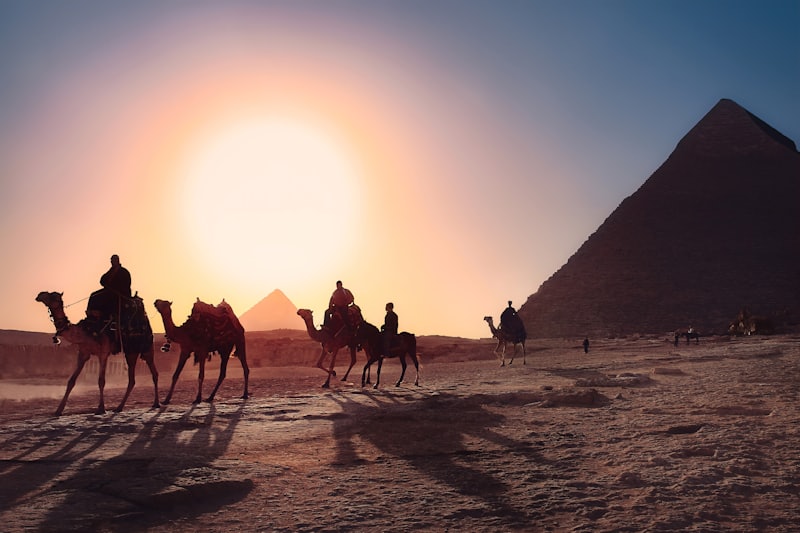
An empty Nile bank at dawn in summer near Luxor
Jun–Aug · Off-peak heat

Summer: the case for going anyway

At 43 °C the argument for a Nile cruise sounds thin until you think through what it actually means in practice. You wake at 05:30 and visit Karnak before 08:00 when the first groups arrive and the temperature is still a merciful 30 °C. You're back on board, in air conditioning, by 10:00. The afternoon is pool time, cold drinks and the extraordinary spectacle of the desert light softening into the long Egyptian dusk. Dinner is on deck at 28 °C under a sky dense with stars. Many travellers who cruise in summer say they would not repeat it — and many say they would do nothing else. We tell you which boats are genuinely equipped for summer and which are not.

Ships with good pools →
Evening lights on the Nile during Ramadan
Ramadan · Variable date

Cruising during Ramadan

Ramadan shifts each year by approximately eleven days earlier against the Gregorian calendar. In the coming years it falls increasingly in the spring months. Large cruisers continue serving guests as normal throughout daylight hours — most operate international kitchens used to non-fasting guests. Dahabiya captains and crew will fast, and meal service adjusts accordingly: breakfast before sunrise, lunch may be later or lighter, and the crew come alive after sunset with iftar. Shore-side restaurant access near docking points narrows during daytime. In practice, most travellers find Ramadan adds atmosphere rather than inconvenience — the evening iftar cannon, lanterns in Luxor's old city, and the quieter-than-usual temple precincts at dawn create a genuinely different kind of trip.

Shore excursion details →
Packing by season

What to bring for your dates

Rain is not a factor on the Luxor–Aswan stretch in any month. The packing list is almost entirely about sun, heat management and evening temperature — which varies more than most travellers expect between December nights (8 °C in Luxor) and July nights (28 °C).

October to April (cool season)

A light-to-medium fleece or jacket is essential for December and January evenings on deck; Luxor at midnight in January at 9 °C feels cold when you've spent the day in 24 °C sun. Layers are the answer: linen or cotton for the daytime temples, a wind layer for the sundeck and something genuinely warm for after dinner. Closed shoes are useful for temple sites where ankle-turning uneven ground is common — sandals are fine for the dahabiya deck but not ideal for the Valley of the Kings climb. Factor 50 sunscreen and a wide-brimmed hat are non-negotiable in any month. The desert UV index is high even in December when air temperatures feel mild.

February and March can bring a khamsin — a warm dusty wind from the desert that raises temperatures sharply, reduces visibility and coats every surface. It typically lasts a day or two. A close-woven scarf or dust mask and sunglasses with tight-fitting frames are worth the space in your bag if you're travelling in these months. Itineraries continue normally during khamsin; it's an atmospheric inconvenience rather than a show-stopper.

April to September (hot season)

Drop the jacket entirely. Add a lightweight long-sleeved shirt for temple visits — both for sun protection and because most Egyptian temple sites require shoulders covered. White or light-coloured linen is the practical choice: it reflects heat, dries fast and packs small. Electrolyte sachets or tablets are worth carrying; the dry desert air causes dehydration faster than most Europeans or North Americans expect, particularly in the first two or three days. A refillable insulated water bottle matters more than any other single item. Sun protection moves from important to critical: factor 50, lip balm with UV block, and UV-rated sunglasses with full side coverage.

Footwear in summer: light breathable trainers or hiking sandals with ankle support. The stone floors of Edfu and Kom Ombo absorb heat and can be uncomfortable in thin-soled flip-flops by midday.

Read our booking tips for summer-specific cancellation policies and deposit requirements.

Common questions about timing

Season FAQs

Both are excellent. December has slightly milder temperatures (22–26 °C daytime in Luxor) and strong availability of boats, but the week between Christmas and New Year sees peak pricing and maximum crowds on the river. Mid-January is often the sweet spot: temperatures remain comfortable, prices drop noticeably after the holiday rush, and boats are less likely to moor side-by-side in large rafts at Edfu. If you have flexibility, aim for 10–25 January.

Yes, though July and August daytime temperatures in Luxor regularly reach 41–44 °C. Larger cruisers with pools and strong air conditioning in every cabin make it manageable; dahabiyas, with open decks as their main feature, are harder to enjoy in that heat. The payoff is real: rates drop 35–45 % compared to peak season and the temples at Karnak or Edfu are nearly empty at opening time — a genuinely different and memorable experience for those who prepare for the heat. We'll tell you honestly whether your preferred boat is summer-appropriate.

The effect on most cruise guests is modest. Large cruiser kitchens continue serving full meals throughout the day. Some dahabiya crews adjust meal timing, serving breakfast before sunrise and making lunch later. Shore-side restaurants near docking points may be closed during daylight hours. The temples remain open on standard schedules. Ramadan adds atmosphere — lanterns, iftar cannon at sunset, quieter mornings — rather than practical difficulty for most itineraries. We'll flag any specific operator adjustments when matching you to a boat for Ramadan dates.

June and July offer the lowest list prices — typically 35–45 % below the October–November shoulder rate. May and late August come second. If heat is a concern, November is the best value-for-comfort trade-off: temperatures have fallen from summer highs but prices have not yet climbed to December peak levels. A mid-November dahabiya booking can represent genuinely good value on a boat that costs significantly more in January.

Upper Egypt between Luxor and Aswan receives less than 2 mm of rain per year on average — effectively none. A light shower in January or February is possible but very rare; it usually lasts under twenty minutes and causes minor nuisance at most. No rain gear is needed. Sunscreen, a wide-brimmed hat, UV-rated sunglasses and lip balm are far more useful than an umbrella on any Nile cruise in any month.

Related guides

Plan the rest of your voyage

Map showing Nile cruise route between Luxor and Aswan
Routes

Cruise routes & itineraries

Which direction to travel, how many nights and which temples each route actually calls at — the full breakdown including Lake Nasser and Abu Simbel extensions.

See all routes →
A travel planning desk with cruise brochures
Planning

Booking tips & timing

How far in advance to secure a dahabiya versus a large cruiser, what a fair deposit looks like and how to read a cancellation policy before you sign.

Read booking tips →
Children on the sundeck of a Nile cruiser
Families

Family-friendly cruises

Which months work best with children and which boats offer the pools, connecting cabins and flexible meal times families rely on for a comfortable trip.

Family cruises guide →

Not sure which season suits your trip?

Send us your travel window, party size and the type of experience you want. We'll come back with an honest recommendation and matched options at fair prices.

Ask about dates    See voyage plans